
With spring arriving in the Town of Pittsford, homeowners can turn their yards into vibrant displays and welcoming habitats for pollinators. March marks the ideal time to plan and plant, giving your garden a head-start and enhancing curb appeal while supporting local wildlife. This article will discuss well-suite plants and
If you’re planning to buy or sell your home in Pittsford, turn to Alan Wood – RE/MAX Plus. We’re a dependable name honored to serve greater Rochester with a client-centered approach.
Pittsford’s Pollinator Pathway Challenge
Pittsford strives to provide a beautiful place for residents and visitors. With this culture, the town has the Pittsford Pollinator Pathway Challenge — an initiative that encourages homeowners in the community to plant native trees, shrubs and perennials in corridors that allow bees, butterflies, and other pollinators to move safely through neighbourhoods. The program was launched in collaboration with Color Pittsford Green and invites residents to sign up, plant at least ten native species, provide water or shelter, and avoid synthetic pesticides.
According to the New York State Department of Environmental Conservation, pollinators are essential not just for wild ecosystems but also for food production and the broader environment. By choosing plants that bloom at different times — from early spring through fall — you can provide continuous forage for pollinators and create a more resilient garden.
Top Plant Picks for Your Pittsford Yard This Spring
For plants, below are some wonderful choices that suit the local climate, support pollinators, and catch the eye:
Golden Alexander
Golden Alexander features bright yellow umbels that emerge in late spring and attract early pollinators. It’s recommended for New York gardens and provides value for bees and butterflies. Plant it in full or partial sun, in moist to well-drained soils. It pairs beautifully with other natives for a natural-looking swath of spring colour.
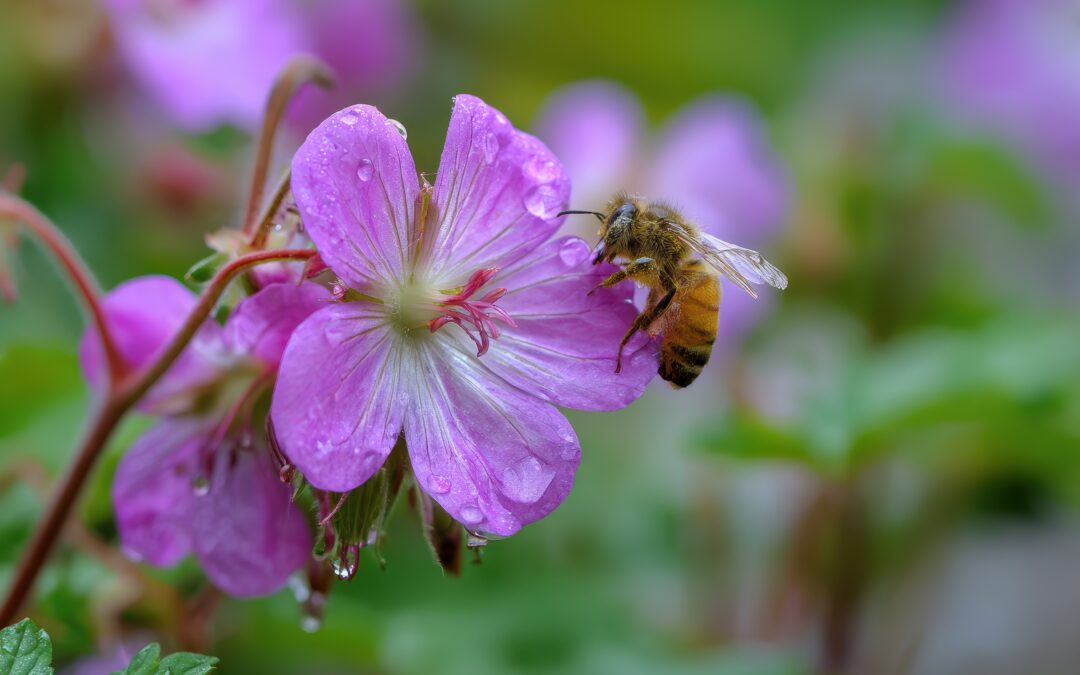
Wild Geranium
This woodland perennial is ideal under trees or in part shade and blooms early, offering food for native bees. Use it to soften edges or as a layering plant beneath shrubs.
Wild Columbine
With elegant red and yellow blooms, Wild Columbine brings hummingbirds and long-tongued bees to the garden in late spring. Give it part shade and organically rich soil to highlight its best form.
Jacob’s Ladder
For a cool spot that receives dappled light, Jacob’s Ladder adds delicate purple flowers and nectar for emerging pollinators. It is featured in spring-blooming native lists for the region. Consider grouping it with ferns or other shade-loving natives for texture and early interest.
Planting & Early-Season Tips
Here are some excellent choices that suit the local climate, support pollinators, and catch the eye:
- Prepare your beds in March by clearing debris and lightly amending soil with organic matter.
- Mix these natives together in odd-numbered groups (three or five) for natural flow and visual appeal.
- Provide a shallow water source or “butterfly puddler” to complement the Pollinator Pathway guidelines.
- Avoid synthetic pesticides when you can — both to protect pollinators and to align with local pathways.
- Plan for sequential bloom: your selected plants cover the early season; later in the year, you can supplement with midsummer and fall-blooming natives so the habitat remains rich for pollinators all season long.
Blooming With Spring
Spring presents a wonderful opportunity to reshape your garden into something beautiful, beneficial, and part of a community. By selecting native plants suited to the local area, you can boost curb appeal, support local pollinators, and participate in the Pittsford Pollinator Pathway Challenge.
For tips on adding beauty and value to your home or if you seek to buy or sell, Alan Wood – RE/MAX Plus can help. Connect with us today.